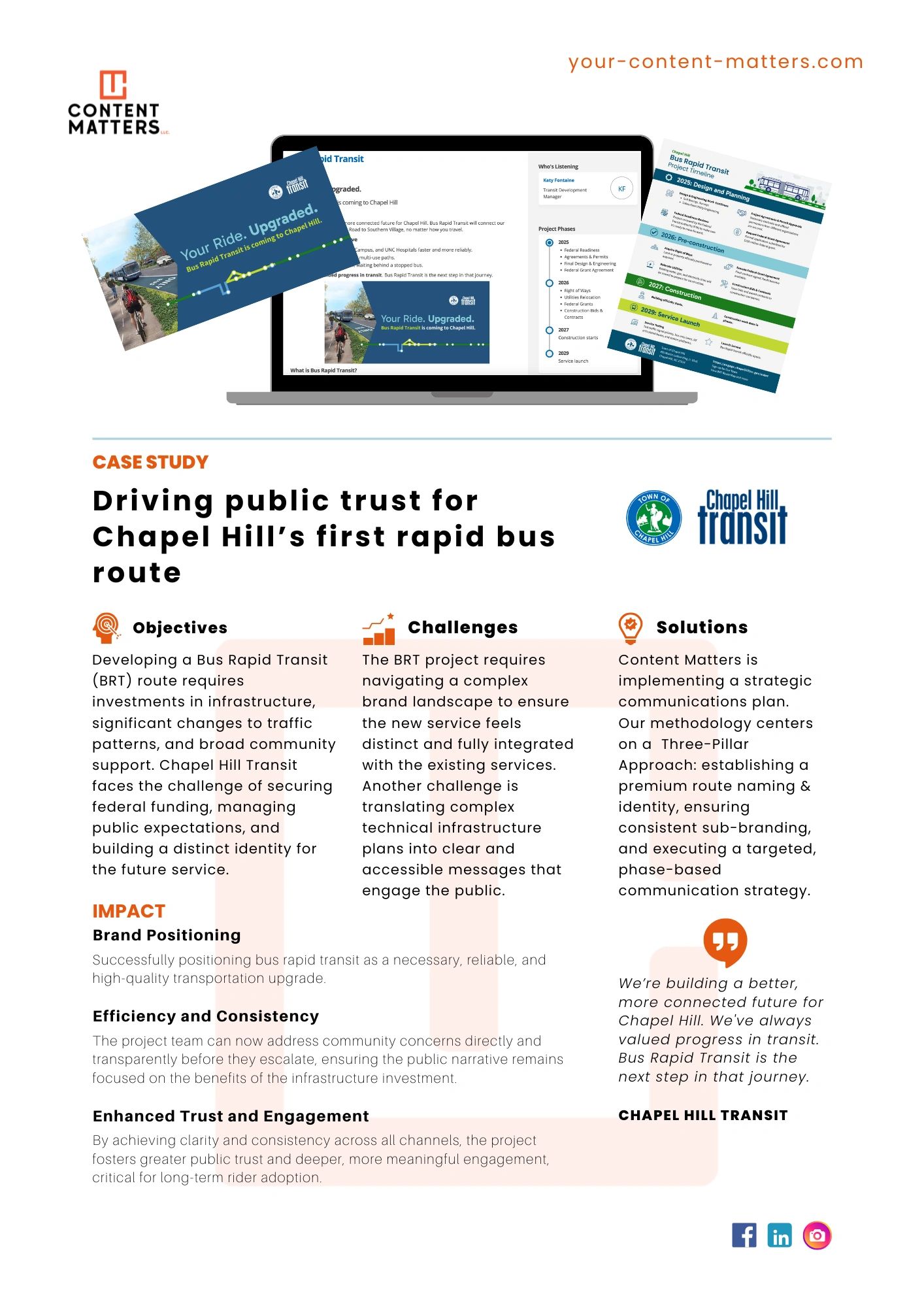

A well-executed content strategy is essential for any organization looking to effectively communicate with its audience and achieve its goals. Whether you’re a business, nonprofit, or public sector organization, there are five key elements that should be included in your content strategy.
Clear and concise information is the foundation of a strong content strategy.
Users visit your website or engage with your content to find specific information or answers to their questions. By presenting information in a clear and concise manner, you make it easier for users to understand and navigate through your content. Use headings, bullet points, and short paragraphs to break down complex information into digestible chunks. Remember, simplicity is key when it comes to delivering your message effectively.
Incorporating multimedia elements such as videos, images, and infographics can significantly enhance your content strategy.
Visual content is more engaging and memorable than plain text, helping you convey your message more effectively. Videos can be used to demonstrate products or services, while images and infographics can simplify complex concepts. Including multimedia elements not only captures users’ attention but also improves their overall experience on your website or social media platforms.
Accessibility and inclusivity are vital considerations in today’s digital landscape.
Your content strategy should make sure that your website and content are accessible to all users, including those with disabilities. Provide alternative text for images, captions for videos, and transcripts for audio content. Consider implementing features like text resizing, color contrast options, and keyboard navigation to accommodate users with visual impairments or motor disabilities. Additionally, offering language options and translation services can make your content accessible to non-native speakers or those who prefer different languages.
Interactive features and tools play a crucial role in engaging your audience and improving their user experience.
Online forms, applications, and search functionalities make it easier for users to interact with your organization, find information, and access services. By incorporating interactive elements into your content strategy, you streamline processes, increase efficiency, and enhance user satisfaction. Encourage users to provide feedback, participate in surveys, or share their experiences to foster a sense of community and involvement.
Social media integration is an essential element of any modern content strategy.
It allows you to extend your reach, engage with your audience, and build a community around your brand or organization. Include social media sharing buttons on your website and blog posts to encourage users to share your content. Maintain an active presence on social media platforms relevant to your target audience, sharing updates, news, events, and responding to comments and messages. Social media integration enables two-way communication, helping you build relationships and establish trust with your audience.
By implementing these elements, you can create a robust content strategy that effectively communicates your message and achieves your goals.